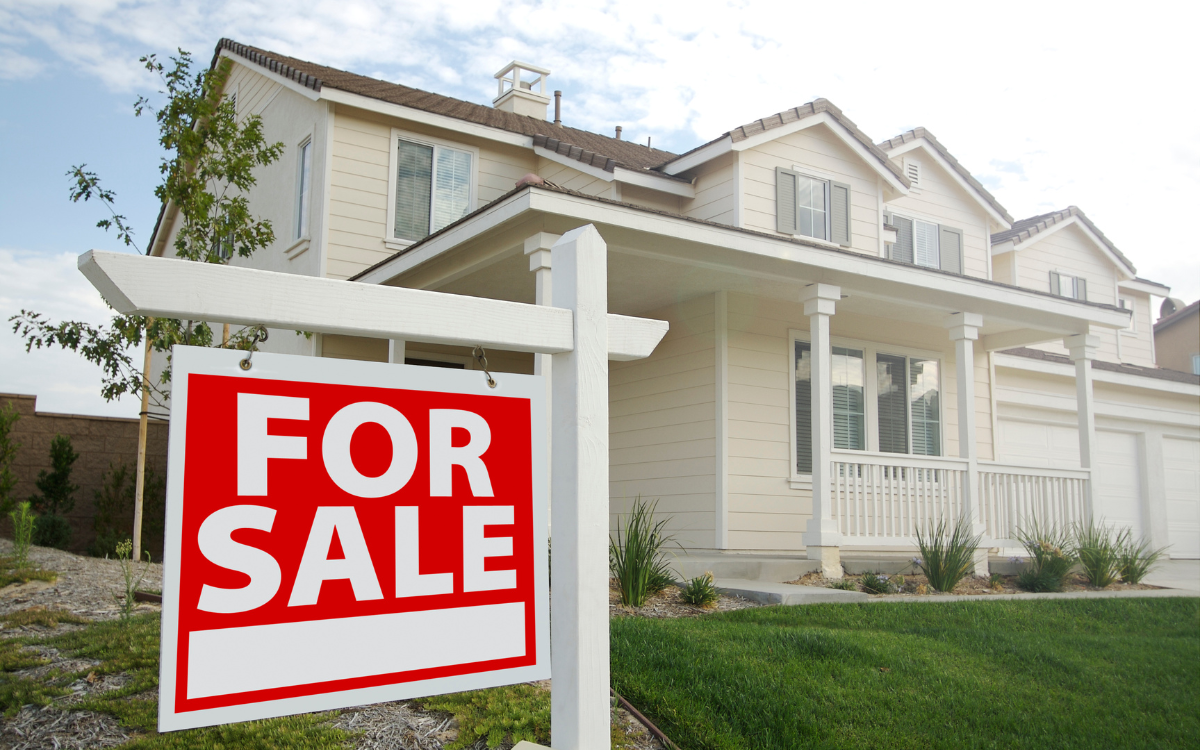
Finding a home in San Diego can feel like solving two puzzles at once: finding a place that fits your budget and figuring out when you can actually move into it. Buyers may be comparing homes across several neighborhoods while watching mortgage rates. Renters may find the right apartment but have only a short application window and a firm move-in date.
What is the San Diego housing market like in 2026? Prices remain high, and available homes are limited. Over the three months ending August 2026, the median sale price in the city of San Diego was about $999,000, according to Redfin’s city market data. Across San Diego County, the comparable figure was about $962,000, according to Redfin’s county report. Those figures cover different areas, so neither tells you what every home will cost.
Here’s what current conditions mean if you plan to buy, sell, rent, or move within San Diego.
A Snapshot of the San Diego Housing Market
In August 2026, San Diego County had 8,709 active listings, down 5.6% from a year earlier. The median home went under contract in 28 days, and 35.4% of sales closed above the asking price. At the same time, pending sales were down 13% year over year. That mix suggests fewer buyers are making deals overall, while well-priced homes can still attract quick interest. It does not mean every property will draw a bidding war.
Mortgage costs are part of the picture. Freddie Mac’s weekly survey put the average 30-year fixed mortgage rate at 7.03% on September 24, 2026. That is a national average, not a quote for an individual San Diego buyer. Your actual rate and monthly payment depend on your lender, credit, down payment, and loan details.
The takeaway: look beyond the asking price. Your budget needs to account for financing, property taxes, insurance, possible HOA fees, and the cost of getting settled.

What San Diego Homebuyers Should Watch
You do not need to predict the next market turn to make a sound decision. Start with a monthly payment you can manage, then see what that budget buys in the neighborhoods you are considering. A home that looks affordable at the listing price may feel very different once you add ownership costs.
Before you tour seriously:
- Compare total monthly costs. Ask a lender for estimates at several purchase prices and down payment amounts. Include taxes, insurance, and any HOA dues.
- Get your financing lined up. A preapproval can help you act when a suitable listing appears, although it does not guarantee final loan approval.
- Study recent sales nearby. The county median is useful context, but comparable homes in the same area and condition are more relevant to an offer.
- Keep some flexibility. If your first-choice area stretches the budget, compare commute times, home sizes, and housing types in nearby communities.
- Protect your move-in timeline. Ask when possession transfers and whether the seller wants to stay after closing before you book a truck.
There is no universal rule that a 15-year mortgage or a particular credit score makes buying the right choice. A lender and real estate professional can help you weigh the options against your finances and timeline.
What San Diego Home Sellers Can Expect
Limited inventory can work in a seller’s favor, but it is not a reason to price a home without checking comparable sales. Condition, location, and asking price still shape the response. Redfin’s August county report found that roughly 22% of active listings had a price reduction, even while more than a third of completed sales closed above asking.
If you plan to sell and then move, prepare for several possible timelines. Your purchase may close before your current home sells, or your buyer may want a quicker closing than expected. Decide what to take, sell, donate, or store before the schedule becomes urgent. If the dates do not line up, ask your agent about possession terms and explore storage options early.
What About Renting in San Diego?
Home sale prices do not tell you what a rental will cost. Apartment rents vary by neighborhood, unit size, building features, and lease terms. The rent figures in the 2023 version of this article are too old to guide a current search, so check live listings in your target area instead of relying on a citywide average.
When comparing rentals, look at the full cost and logistics of the lease:
- Monthly rent and any parking, pet, or utility charges
- Deposit and application requirements
- Lease length and renewal terms
- Elevator, loading dock, or street access for moving day
- The earliest day you can collect keys and bring in your belongings
If your ideal neighborhood is outside your price range, widen your search thoughtfully. Lower rent may be less appealing if the commute, parking arrangement, or home size creates daily headaches. Our guide to San Diego neighborhoods can help you start comparing areas, but visit promising streets and check current listings before deciding.
How to Plan a Move Around Your Housing Timeline
The housing search and the move are connected. A delayed closing, a lease that ends before the new one begins, or a condo’s restricted move-in hours can turn a simple plan into a scramble. Build moving details into your decision early.
Before You Sign or Close
Confirm the expected move-in date and ask about access. For an apartment or condo, find out whether the building requires an elevator reservation, proof of insurance from the mover, or a specific loading window. For a house, check where a truck can park and whether you will have access to the garage or driveway on moving day.
Once the Date Is Firm
Get a moving estimate based on what you actually need transported. Mention stairs, long walks from parking to the entrance, large furniture, packing needs, and any gap between move-out and move-in. If your dates are uncertain, tell the mover before booking so you understand the scheduling options.
If You Are Moving Between Homes
Make a separate plan for items you need immediately: documents, medications, chargers, basic kitchen supplies, and clothes. If closing or lease dates leave a gap, consider whether professional storage would help. Do not assume you can remain in your old place or enter the new one outside the dates in your agreements.
San Diego Housing Market FAQs
Is San Diego a buyer’s or seller’s market in 2026?
San Diego County’s August 2026 figures generally favored sellers: active listings were down from a year earlier, and more than a third of completed sales closed above asking. The balance still differs by neighborhood, price range, and property condition.
Are San Diego home prices falling?
The August 2026 data does not show a broad year-over-year decline. Redfin reported a 5.2% increase in the city median over the three months ending August and a 5.7% increase in the county median over the same period. A median reflects the homes that sold, so check recent comparable sales when evaluating a specific property.
Should I wait for mortgage rates to drop before moving?
That depends on your finances and why you need to move. Rates can change, and waiting does not guarantee a lower home price or a better choice of listings. If you are considering a purchase, compare scenarios with a lender. If you need to relocate now, renting may give you more time to decide where to buy.
Ready to Move in San Diego?
The right home is only part of the plan. Once you have a date and destination, Best Fit Movers can help with San Diego home moves, apartment moves, packing, and storage. Tell us about your home, access details, and timing, and we’ll help you plan the move that fits. Request a free moving quote.